Aviator Title Highest Multiplier Effects

Gamers who love high-stakes thrills are progressively attracted to the Aviator slot because its multiplier system can deliver outsized returns from a single spin. The game’s core mechanic centers around a steadily climbing coefficient that can achieve impressive heights before cashing out, and comprehending how the highest multipliers work with the rest of the slot’s features is the key to making informed decisions. This article explores the technical specifications that back these multipliers, the way volatility influences their frequency, and the practical steps needed to chase the largest payouts without exposing bankrolls to unnecessary risk.
Mobile Optimization and Interface Responsiveness
Because Aviator rounds can last only a few seconds, screen reaction speed directly affects the ability to capture high multipliers. Mobile versions utilize large, thumb-friendly cash-out buttons and offer haptic feedback when the coefficient crosses user-defined milestones. Landscape orientation maximises the visibility of the climbing graph, while portrait mode keeps stake and balance information within easy reach.
Connection stability is equally important. A sudden drop in connection can block a manual cash-out from registering, resulting in a forced exit at the crash point. Players who frequently go after multipliers above 10x often enable Wi-Fi assist or switch to a wired connection when possible. Trying the game in demo mode on the intended device helps spot any latency issues before real money is at stake.
The way Volatility Shapes Multiplier Frequency
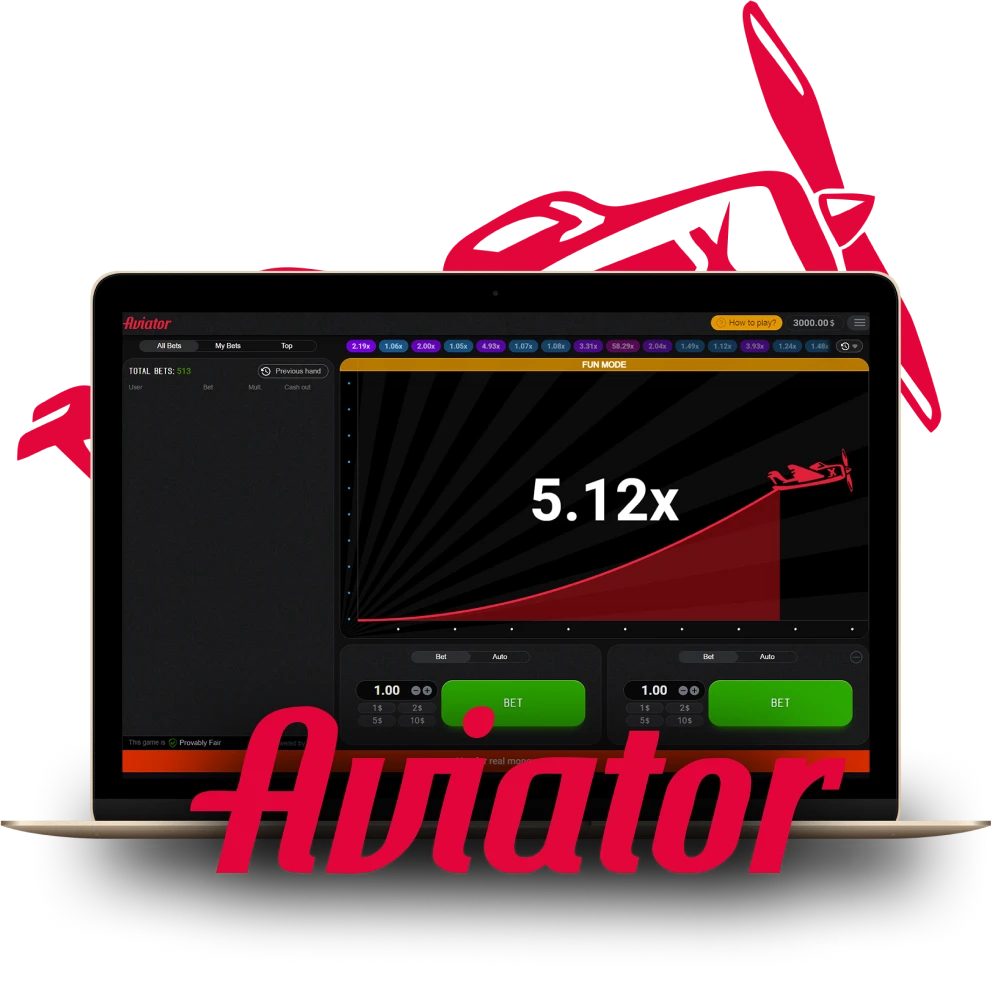
Volatility in Aviator is classified as high because the bulk of rounds end with moderate coefficients, while only a small portion produce the headline-grabbing multipliers above 50x. This distribution means that sessions can contain long sequences of early crashes before a single extended flight compensates for previous losses. Players who favor steady, smaller wins may find the variance annoying, whereas those at ease with extended drawdowns can capitalise when the multiplier climbs into double or triple digits.
The game’s stated RTP sits around 97 percent, which shows that over a very large number of rounds the house edge remains modest compared with many other instant-win titles. However, the high volatility means short-term results can diverge significantly from this theoretical return. Bankroll management therefore becomes crucial: setting strict loss limits and profit targets before each session avoids the multiplier chase from eroding funds faster than planned.
Two-Way Cash-Out Strategy and Risk Allocation
Seasoned participants occasionally employ a double cash-out approach, dividing their stake into two separate bets within the same round. One portion is designated to exit at a modest multiplier such as 1.5x for certain small profit, while the second portion remains active in pursuit of higher coefficients. This method reduces variance by ensuring at least one bet survives most rounds, yet still delivers exposure to the large multipliers that define Aviator’s reputation.
The strategy demands careful stake allocation because the combined exposure must remain within the player’s overall session budget. Many users split their round stake evenly, but others opt for uneven splits that protect a larger percentage at the lower multiplier. No matter the ratio chosen, the key is consistency: altering the split mid-session based on recent results can undermine the mathematical edge the method is designed to provide.
Live Statistics and Archival Data Utilities
Most Aviator interfaces feature a live statistics panel that shows the last twenty to fifty multipliers, average flight duration, and the highest coefficient recorded in the current hour. Studying these figures can indicate short-term clustering, although each round remains independent. Players who view the data as informational rather than predictive often cultivate more disciplined cash-out habits.
Some platforms also provide downloadable CSV files containing round-by-round results over extended periods. Loading this data into a spreadsheet allows users to calculate empirical probabilities of reaching specific multipliers and to back-test different cash-out thresholds. While past performance never guarantees future outcomes, the exercise assists quantify the trade-off between risk and reward in concrete percentage terms.
Comprehending the Aviator Multiplier Engine
The Aviator top registration multiplier engine is designed around a real-time coefficient that commences at 1.00x and climbs continuously until the round ends. Each second the plane climbs, the displayed multiplier grows by a small fraction, and the rate of growth intensifies the longer the round lasts. Because the coefficient is calculated server-side using a certified random number generator, every player views the same curve but must choose independently when to cash out. This shared-yet-individual decision point creates the tension that drives the game’s appeal, while the transparent algorithm guarantees players that no hidden adjustments favour the house beyond the published RTP.
Unlike traditional slots that attribute fixed multipliers to specific symbols, Aviator connects the multiplier directly to elapsed time. The longer the plane stays airborne, the larger the potential reward, yet the risk of a sudden crash also increases. Players who study historical round data often notice streaks of short flights followed by occasional long hauls, but these patterns remain statistically independent. Acknowledging this independence helps participants set realistic expectations rather than chasing perceived momentum.
Safe Gaming Limits and Play Scheduling
High-multiplier chasing can produce an adrenaline feedback loop that affects judgement. Determining a predetermined number of rounds or a strict time limit before starting play aids maintain perspective. Many operators include reality-check pop-ups that display elapsed time and net position, offering players a natural moment to reconsider whether continued participation corresponds to their original goals.
Loss limits should be defined in absolute currency rather than as a percentage of the current balance, because balance fluctuations can affect perceived risk. Once the limit is hit, logging out or switching to a different game stops the temptation to chase recovery through increasingly aggressive cash-out targets. Support resources, including self-exclusion tools and links to external help organisations, are typically available directly from the game menu.
Single-Round Cash-Out Mechanics
The principal way to secure a multiplier is the manual cash-out button, which locks in the current coefficient at the moment it is pressed. A successful cash-out right away adds the round’s winnings to the balance, and the plane proceeds for other participants who have not yet cashed out. This shared-round structure signifies that two players can achieve completely different outcomes from the same flight depending on their individual timing.
Some versions also provide an auto-cash-out feature that allows users to pre-set a target multiplier. Once the coefficient reaches the chosen value, the system withdraws automatically, negating the need for split-second reactions. Auto-cash-out is especially useful during periods of high latency or when playing on mobile devices where screen taps may register with slight delays. Players should confirm that their chosen operator has this setting and try it in demo mode before wagering real funds.
Wager Range and Highest Payout Potential
Stake sizes in Aviator usually begin at a few pence and scale upward to several hundred pounds per round, letting both casual participants and high-rollers to find suitable starting levels. The highest possible win is conceptually unbounded because the multiplier can increase without limit, although in practice the longest recorded flights rarely exceed several hundred times the original bet. Casinos usually show the current maximum multiplier achieved within the last 24 hours, providing players a current standard against which to gauge their own objectives.
Because payouts equal wager multiplied by the withdrawal multiplier, betting double doubles the absolute winnings at any given multiplier. This direct correlation motivates some players to raise bets after a series of premature losses in hopes of making up for losses quickly. Others prefer to maintain steady bets and instead adjust their cash-out strategy, understanding that consistent timing often surpasses reactive bet sizing when variance is high.
Pitting Aviator to Conventional High-Multiplier Slots
Standard slots reach high multipliers by means of layered bonus features like free spins, expanding wilds, or progressive jackpots. Aviator swaps out these layers with a unified, transparent coefficient that refreshes in real time. This simplicity lowers the learning curve for new players yet demands precise timing instead of symbol combination knowledge.
Another distinction lies in session length. A standard slot spin finishes in under five seconds, whereas an Aviator round can lengthen past thirty seconds when multipliers climb into the hundreds. The extended duration creates a different psychological profile: anticipation builds gradually rather than through rapid reel stops. Players who enjoy watching progress unfold may find this pacing more engaging, while those who opt for instant outcomes might return back to conventional titles with fixed paytables.